
When the ice finally melts and winter loosens its grip, many homeowners breathe a sigh of relief. But the end of freezing temperatures is also the perfect time to take a close look at your home. Ice, snow, and repeated freeze-thaw cycles can quietly cause damage—and early spring is when those issues first show themselves.
Addressing problems now can save money, prevent bigger repairs, and help your home transition smoothly into the rainy spring season.
1. Inspect Your Gutters and Drainage System 💧
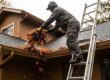
Winter ice can bend gutters, loosen fasteners, and create hidden clogs. Once the ice melts, check for sagging sections, leaking seams, or gutters and downspouts that have been pulled loose or aren’t directing water away from your foundation. If water or ice overflowed during winter, now is the time to correct it before spring rains arrive.
Why it matters: Poor drainage or overflowing gutters can lead to costly foundation issues, basement moisture, rotten wood, and landscape erosion. Water damage costs homeowners over $11 billion annually.
2. Check Your Roof for Winter Damage 🏠
Ice buildup and snow weight can crack shingles, loosen flashing, and expose vulnerable areas at the roof’s eaves, around chimneys, valleys, and vents. Look for missing shingles, granules in gutters, or signs of leaks in your attic or ceilings.
Pro tip: Catching roof issues early often means a simple repair instead of a full replacement.
3. Examine Siding, Trim, and Exterior Paint 🎨
Freeze-thaw cycles can cause paint to peel, siding to crack, and moisture to creep into wood trim. Walk around your home and look for bubbling paint, soft wood, or visible gaps.
Why now: Be proactive and stop wood damage. Scheduling repairs before spring rains arrive prevents problems from worsening.
4. Look for Foundation and Walkway Cracks
Melting ice can reveal cracks in foundations, driveways, and walkways caused by shifting soil and expanding water. Small cracks can often be sealed easily, preventing water intrusion and further expansion.
Safety bonus: Fixing uneven walkways reduces trip hazards for guests and family.
5. Assess Windows, Doors, and Weather Seals 🔍
Cold temperatures can harden or damage weatherstripping and seals. Check for drafts, condensation between window panes, or doors that don’t close tightly.
Energy win: Tight seals improve comfort and lower cooling costs as temperatures rise.
6. Prepare Landscaping and Grading 🌱
As the ground thaws, you may notice pooling water near your foundation or washed-out soil. Spring is the time to re-grade, add soil, and plan landscaping that directs water away from your home.
Good drainage = long-term protection.
A Smart Start to Spring ☀️
Winter leaves clues behind—if you know where to look. By tackling these projects right after the ice melts, homeowners can prevent costly repairs, protect their investment, and head into spring with confidence.
If you’re unsure where to start, begin at the top of your home and work your way down. Water always tells the story—and now is the best time to listen.
Looking up today can save you thousands tomorrow.